
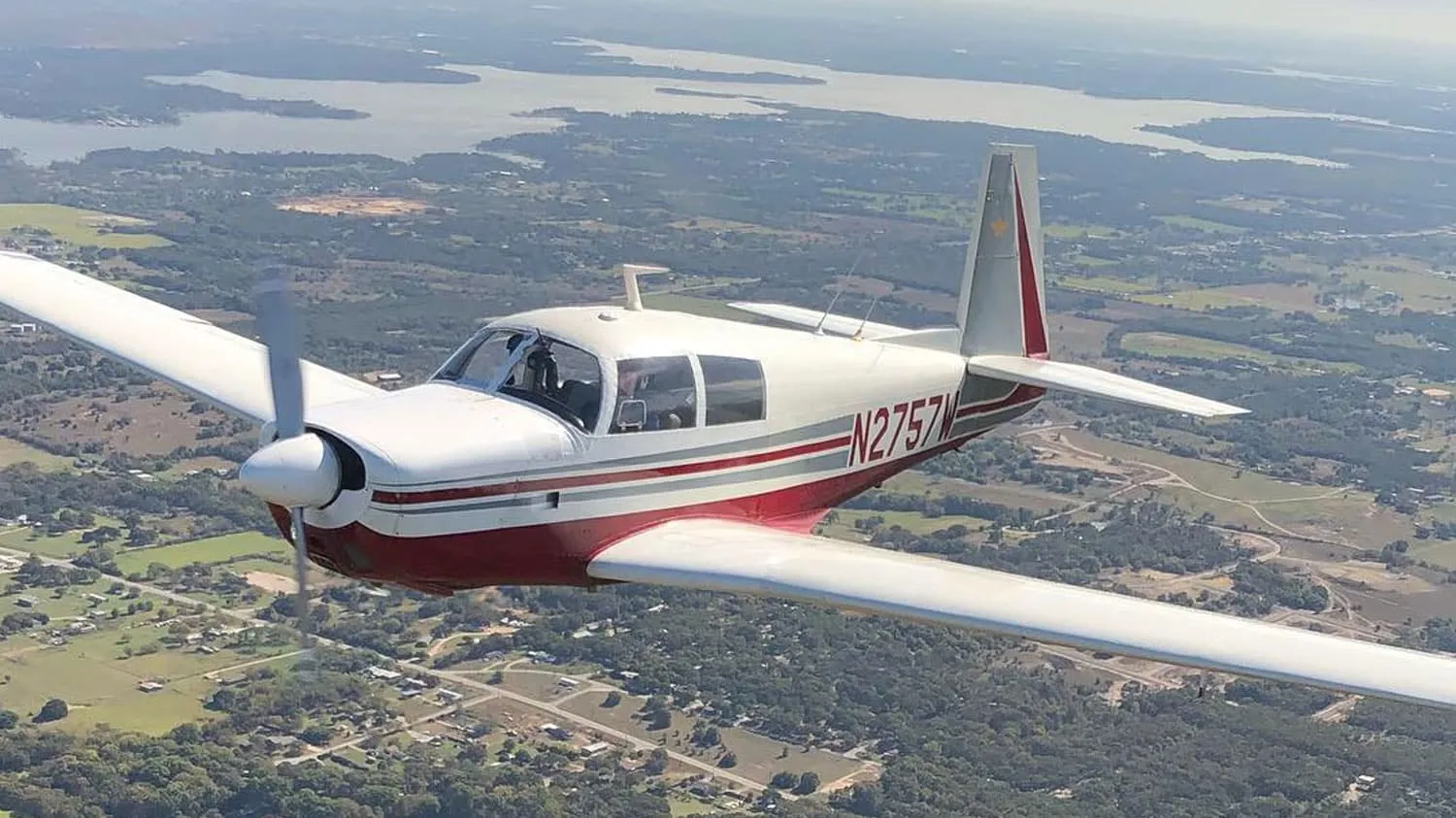
The Aerodynamic Connection Between Yaw and Roll in Flight

Book Flight817-755-5652
Beyond FAA MinimumsPersonalized TrainingFlexible SchedulingFinancing Available
Beyond FAA MinimumsPersonalized Training
Flexible SchedulingFinancing Available

Understanding the interconnectedness of flight controls and aerodynamic forces is fundamental for pilots. One such connection, often misunderstood by new aviators, is how using the rudder to induce yaw can also lead to a roll. This article explores this phenomenon, why it occurs, and its implications for flight control.

How Rudder Input Leads to Roll

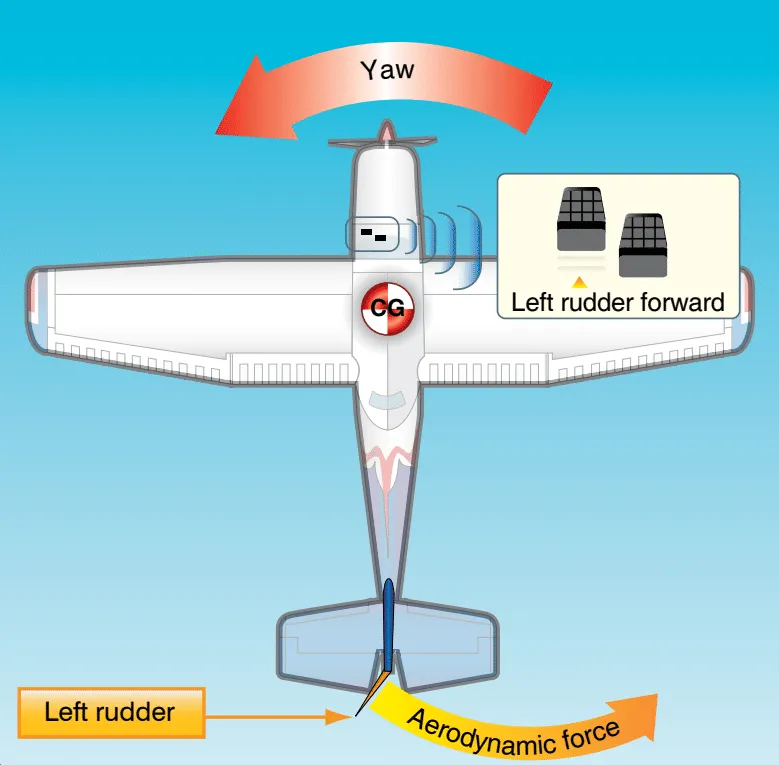
The rudder of an aircraft controls its yaw, which is the side-to-side movement of the aircraft's nose. When a pilot presses the rudder, it causes the aircraft's tail to move in the opposite direction of the rudder's deflection, and the nose moves in the direction the rudder is pressed. For example, pressing the right rudder will make the aircraft's nose yaw to the right.

This yawing motion affects the airflow over the wings. The wing on the side towards which the nose is turning (right in our example) will experience an increase in airflow. This is because as the aircraft yaws, the relative forward movement of this wing through the air increases, enhancing its airspeed compared to the other wing.

An increase in airflow results in increased lift on that wing. Consequently, the increased lift on one wing and not on the other naturally causes the aircraft to begin rolling towards the side of the lesser-lifted wing (left in our example).
The Aerodynamic Connection Between Yaw and Roll in Flight

The Significance of Understanding This Effect

  • Enhanced Control in Flight: Pilots need to understand this effect to manage and anticipate the aircraft's behavior during maneuvers that involve the rudder, especially in situations like crosswind landings or engine-out scenarios.
  • Safety: Mismanagement of rudder and unawareness of its indirect effects on roll can lead to unexpected aircraft attitudes, potentially compromising safety. Proper training on how rudder use affects roll helps prevent situations that could lead to loss of control.
  • Efficiency and Comfort: Smooth and coordinated use of the rudder and ailerons ensures more efficient turns and a more comfortable ride for passengers. Understanding the aerodynamic links helps in achieving these smooth maneuvers.

Further Reading and Resource

  • Our article about adverse yaw.
  • Pilot Handbook of Aeronautical Knowledge

At Pilot Rise Flight School, we prioritize a thorough grounding in all aspects of flight dynamics, ensuring that our pilots are well-prepared to manage the complexities of real-world flying efficiently and safely.
Related Reading

AircraftHandling Engine Fires in Flight: Essential Knowledge for Pilots

An engine fire, whether during flight or on the ground, can be one of the most serious emergencies a pilot may encounter. However, with proper training and adherence to established procedures, pilots can effectively manage this rare but critical situation.

October 4, 2024
Aircraft8 Surprising Facts Hidden in Your Cessna POH

Every pilot knows they should read the operating handbook for their aircraft, but let’s face it—many don’t dive in as deeply as they should. In this article, we uncover 8 surprising facts tucked away in your Cessna POH. While this is tailored to the Cessna 150M, many of these insights apply to other Cessna models as well. Let’s see how well you know your airplane! Disclaimer: Always consult your aircraft's POH for specific procedures, limitations, and guidance.

December 10, 2024
AircraftFuel Efficiency of the Airbus A320 NEO Compared to Car Travel

The Airbus A320 NEO is a popular aircraft widely recognized for its advanced technology and efficiency. Understanding its fuel consumption not only highlights the aircraft's performance but also offers a comparative perspective on its efficiency relative to other modes of transport, such as car travel.

May 2, 2025

Discovery Flight

Ready to Fly?

Take a 30-minute discovery flight, get hands-on time at the controls, meet an instructor, and see whether Pilot Rise is the right fit for your training. The flight is $150, or free with approved financing through one of our partners.

Contact Us
Contact Us reCAPTCHA verification

By submitting, you agree to receive reservation and update texts from Pilot Rise. Msg & data rates may apply. Reply STOP to opt out. See our Privacy Policy. No spam. We will never sell your information.

Book Flight

SCHEDULE INTRO FLIGHT - $150

Hands-on 30-minute intro flight. Discover what flying is like.

Book online — No card required.

Book flight reCAPTCHA verification

By submitting, you agree to receive reservation and update texts from Pilot Rise. Msg & data rates may apply. Reply STOP to opt out. See our Privacy Policy. We will not send marketing texts.

Select Aircraft

Free Flight Training Guide

Step 1 of 333%

What's your first name?