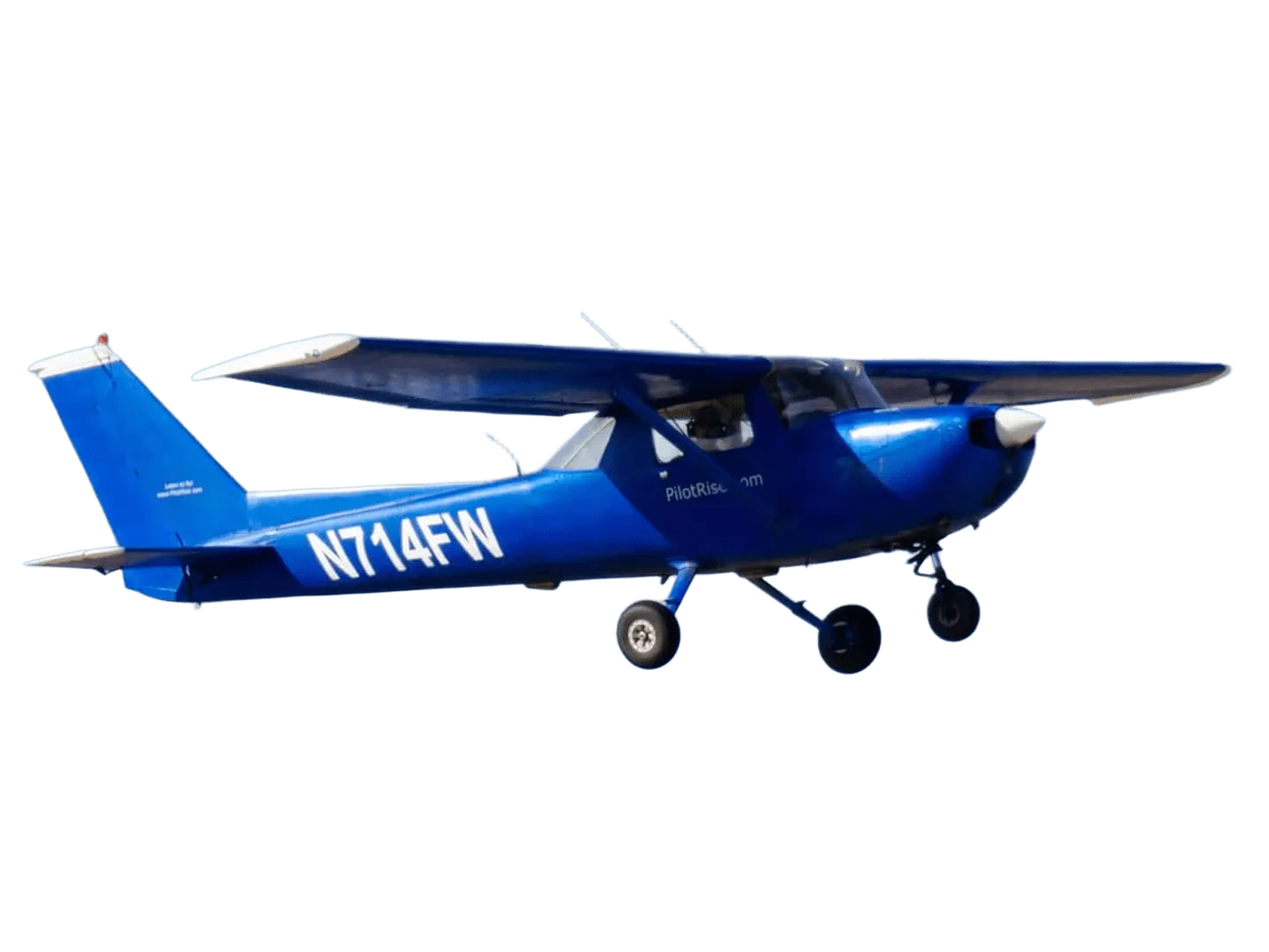

Are you fascinated with the idea of soaring through the skies and seeing the world from above? Do you dream of becoming an airline pilot, but don't know where to start? Look no further! In this blog post, we'll guide you through everything you need to know about how to become an airline pilot. From the different types of pilots to the qualifications required and even some tips for landing your dream job, we've got you covered. So fasten your seatbelt and let's take off on this exciting journey together!
The Different Types of Airline Pilots
There are several types of airline pilots, and each one has different responsibilities and qualifications. The most common type is the commercial airline pilot who flies passengers or cargo on scheduled flights. These pilots must have an Airline Transport Pilot (ATP) certificate, which requires at least 1,500 hours of flight experience.
Another type of airline pilot is the cargo pilot who transports goods and materials rather than passengers. Cargo pilots must also hold an ATP certificate but may have slightly different training requirements.
Charter pilots are another category of airline pilots who fly for companies that offer private air travel services to clients. They do not typically follow a regular schedule like commercial or cargo pilots.
Military veterans can transition into becoming civilian corporate or contract pilots after completing their service obligation. These experienced aviators already possess many skills that make them attractive candidates for these positions.
There are many career paths available to those interested in becoming an airline pilot, each with its own unique opportunities and challenges.
The Training and Qualifications Required to Become an Airline Pilot
Becoming an airline pilot is a dream for many aviation enthusiasts. However, it requires rigorous training and qualifications to achieve this goal. The first step towards becoming an airline pilot is obtaining a private pilot license or PPL.
After obtaining the PPL, one must complete advanced flight training and obtain their commercial pilot’s license (CPL). This process includes acquiring sufficient flying hours, completing ground school training, and passing written exams.
Apart from gaining experience in the cockpit, aspiring pilots also need to meet certain medical requirements, which include passing regular physical examinations to ensure they are fit enough to fly.
To become an airline pilot further requires additional certification such as Airline Transport Pilot License (ATPL) that mandates completion of specific courses on topics like navigation procedures and crew resource management.
In addition to the technical skills involved with flying aircrafts at high speeds at high altitudes in different weather conditions , airlines look for interpersonal skills when hiring pilots who will be responsible for passengers' safety during long flights around the world.
Becoming an airline pilot demands hard work , determination,and commitment since it involves extensive specialized knowledge and continuous learning throughout one's career .
The Application Process
The application process to become an airline pilot can be very competitive. Airlines are looking for the best candidates who have not only completed their training but also possess exceptional skills and qualities that make them stand out from the crowd.
First, it is important to research and apply to airlines that match your qualifications and experience. Many airlines require a minimum number of flight hours before considering an applicant for employment as a pilot.
Your resume should be tailored specifically towards the aviation industry and highlight any relevant experience or education you have received. It is important to showcase your leadership abilities, communication skills, and ability to work in a team environment.
Once you submit your application, expect to undergo several rounds of interviews with recruiters, pilots, and management personnel. These interviews may include aptitude tests, psychological evaluations, simulator assessments or even medical exams.
After successfully passing these assessments with flying colors (pun intended), you will then go through rigorous training programs before being assigned as a first officer or captain on one of their flights.
The application process is demanding but rewarding once accepted into an airline program as an aspiring Pilot!
The Job Market for Airline Pilots
The job market for airline pilots has been highly competitive in recent years. While the aviation industry is booming, there are still a limited number of jobs available for aspiring pilots. The demand for experienced and well-trained pilots is high, but so is the competition.
To increase your chances of landing a job as an airline pilot, it's important to have not only the necessary qualifications and experience but also a good network within the aviation industry. Networking can help you gain access to job opportunities that may not be advertised publicly.
It's also worth noting that while many airlines prefer hiring experienced pilots with thousands of flight hours under their belt, some smaller regional airlines offer entry-level positions that require less experience. These positions often provide valuable training and experience that can lead to higher-paying jobs down the line.
Another factor affecting the job market for airline pilots is automation. As technology continues to advance, more tasks previously performed by human pilots are becoming automated. This means that some traditional piloting tasks may become obsolete over time.
While there are challenges facing those seeking employment as an airline pilot, including competition and changing technological advancements - there will always be a need for skilled professionals in this exciting field of work.
Becoming an airline pilot is not a decision to be taken lightly. It requires dedication, hard work, and sacrifice. However, if you have a passion for flying and the drive to succeed, it can be an incredibly rewarding career.
To become an airline pilot, you must first determine which type of pilot you want to be and obtain the necessary training and qualifications. This includes obtaining your private pilot's license, commercial pilot's license, passing written exams and flight tests, accumulating enough flight hours and experience before applying for a job with an airline.
The application process can also be competitive; therefore having excellent communication skills as well as being physically fit will give you added advantages over other applicants.
Furthermore, remember that the aviation industry is constantly evolving due to technological advancements; hence staying up-to-date with new technologies in aviation is essential.
In conclusion becoming an Airline Pilot demands commitment but delivers fulfillment through its unique experiences. Therefore if this career path resonates with aspirations then following these steps will lead towards attaining one’s goal of becoming an Airline Pilot!