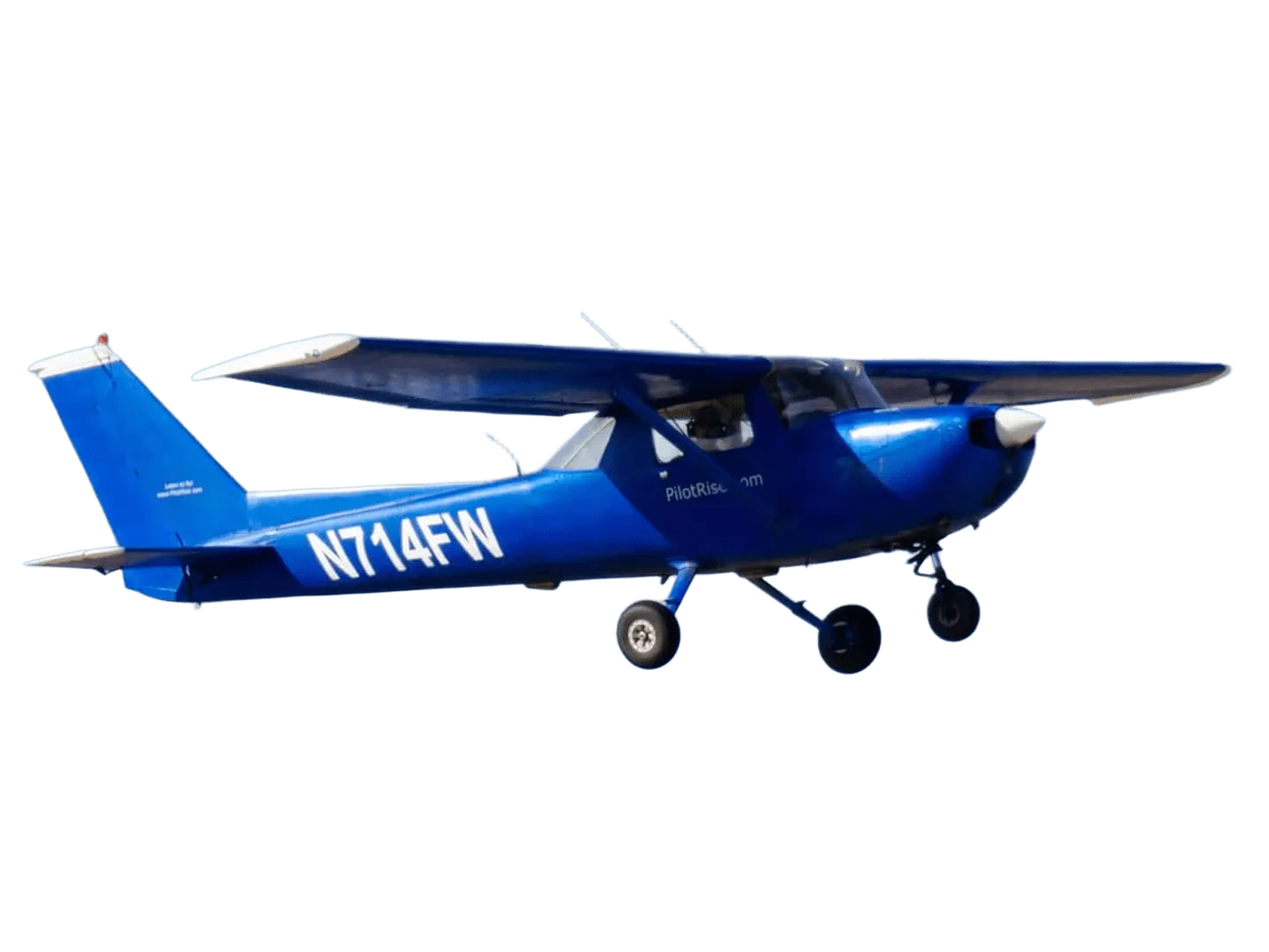
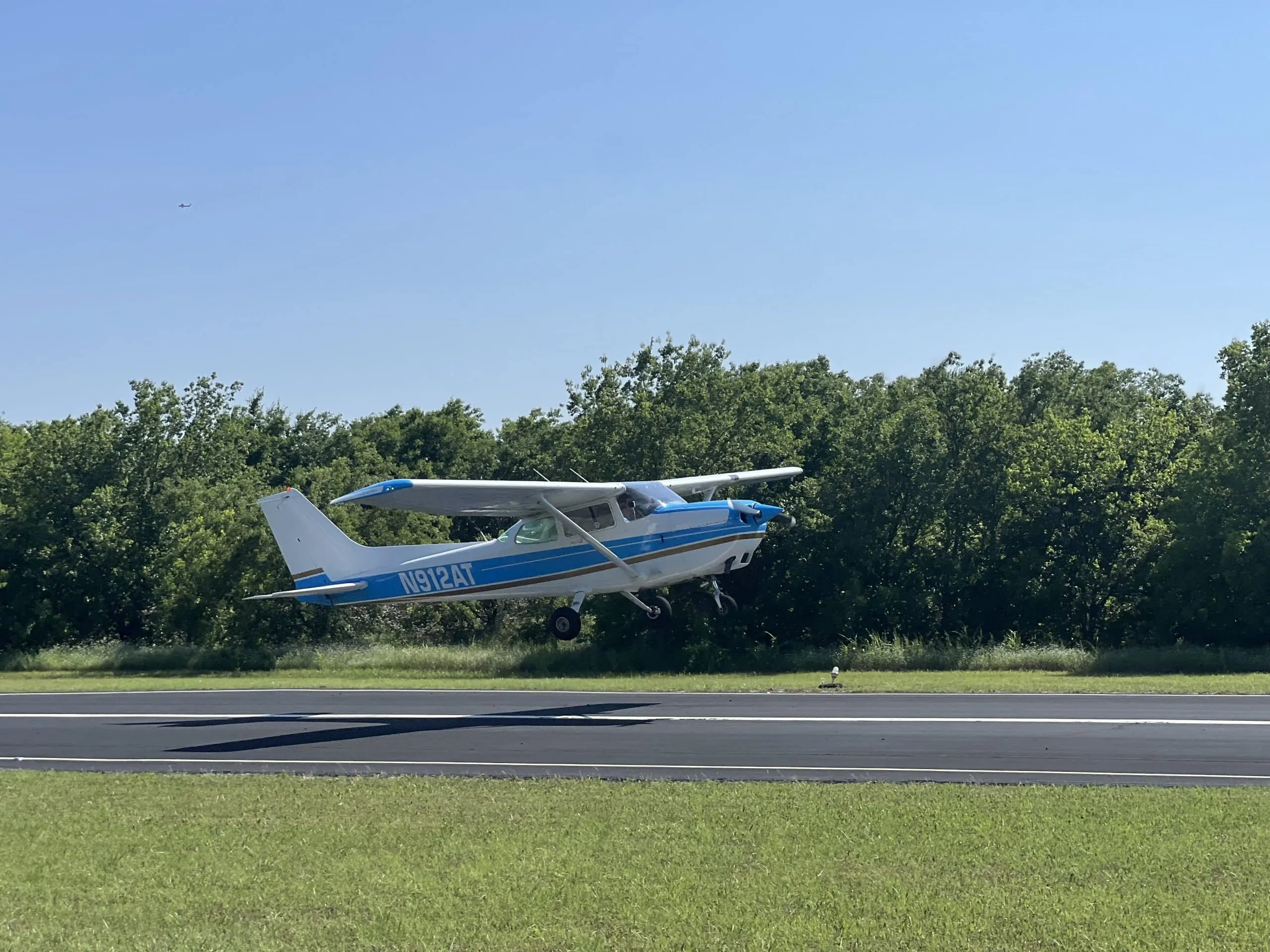
At Pilot Rise Flight School, safety always comes first. But “safety first” doesn’t mean “cancel everything that looks challenging.” It means making smart, informed decisions that protect students while keeping their learning moving forward. That balance—between readiness and real-world exposure—is guided by timeless educational principles known as Thorndike’s Laws of Learning.
These principles help explain why consistent, appropriately challenging training produces confident, capable pilots.
Understanding Thorndike’s Laws in Flight Training
The Law of Readiness
Students learn best when they’re mentally and emotionally ready to take on new challenges. In flight training, that means they’re focused, rested, and not overwhelmed.
However, many instructors interpret this law too narrowly. If a student seems hesitant or uncertain, they may cancel the flight altogether. While well-intentioned, too many cancellations can actually slow a student’s growth.
At Pilot Rise, we recognize that readiness is not built by avoidance—it’s built by exposure. A student cannot know what they can handle until they reach that limit under the supervision of a skilled instructor. Short, safe flights in less-than-perfect conditions often help students discover their true comfort zone and grow their confidence safely.
The Laws of Exercise and Recency
Repetition and consistency are the backbone of aviation proficiency. Thorndike’s Law of Exercise states that practice strengthens learning, while the Law of Recency reminds us that the most recent experiences are best remembered.
In practical terms: even missing a single week of flying can lead to noticeable regression, especially for newer students.
That’s why our instructors focus on maintaining steady momentum. Even if weather or scheduling limits the day’s flight time, a short local hop, simulator session, or ground briefing keeps those neural “circuits” active. Progress continues, and proficiency stays sharp.
The Law of Intensity
Strong, vivid experiences leave lasting impressions. This law fits aviation perfectly. Smooth, calm flights feel comfortable, but slightly challenging conditions—like light turbulence or crosswinds—often produce the most memorable and effective learning moments.
Our instructors know how to distinguish between “uncomfortable but safe” and “unsafe.” A short, well-managed flight in moderate conditions can boost a student’s resilience and help them understand how both they and the aircraft respond. This exposure, managed carefully, builds real-world capability.
Safety and Risk Mitigation: The Pilot Rise Way
At Pilot Rise, safety is never compromised, but we also believe in preserving learning opportunities. Before every flight, instructors and students work together to assess and mitigate risks:
- Reviewing weather and performance data
- Discussing comfort levels and backup plans
- Adjusting the lesson to fit current conditions
If the conditions are beyond limits, the flight doesn’t happen—period. But if it’s safe with modifications, the plan may shift: staying in the pattern, remaining local, or flying a shorter route. Even the preflight, taxi, and shutdown phases offer valuable training in decision-making and risk management.
Importantly, students aren’t just passengers in this process—they’re trained to assess, adapt, and mitigate risks themselves. We don’t just teach maneuvers; we teach future pilots how to think, evaluate, and make sound aeronautical decisions.
The Pilot Rise Philosophy
At Pilot Rise, our instructors balance three key ideas:
- Safety First – Always within safe limits.
- Consistency Matters – Regular, meaningful practice keeps progress alive.
- Real-World Readiness – Exposure builds confidence and teaches adaptability.
Learning to fly isn’t about waiting for perfect weather—it’s about learning how to handle imperfection safely. True readiness comes from experience, not avoidance.
Ready to Experience Balanced Learning?
Pilot Rise Flight School combines proven psychology, FAA standards, and expert instruction to create safer, smarter pilots. Our approach ensures that every lesson—whether in calm skies or light turbulence—builds skill, confidence, and judgment.
Safety first. Learning always.
Book a Discovery Flight: https://pilotrise.com/book-flight-dfw/